All Insights
INVESTMENT STRATEGY · MARCH 2025
Dubai delivers rental yields that consistently outperform every comparable global luxury market. The city that London, Singapore and Hong Kong investors benchmark their portfolios against is now generating gross yields of 6–12% in prime residential categories — two to three times what equivalent quality product delivers in those markets.
DLD 2025 residential sales by bedroom type: Studio 41,815 (avg AED 772K), 1BR 73,902 (avg AED 1.42M), 2BR 40,130 (avg AED 2.50M), 3BR 15,176 (avg AED 3.95M), 4BR+ 6,289 (avg AED 5.00M). Studios and 1-bedroom units make up 60% of all transactions — the engine of Dubai's rental yield economy.
The 2025 yield story is not simply about high numbers. It is about the structural conditions that sustain them: population growth (5% in 2024, 3.8 million total), year-round tourism (18.7 million overnight visitors in 2024), a growing short-term rental market, and a Golden Visa-anchored resident base that is expanding at record pace.
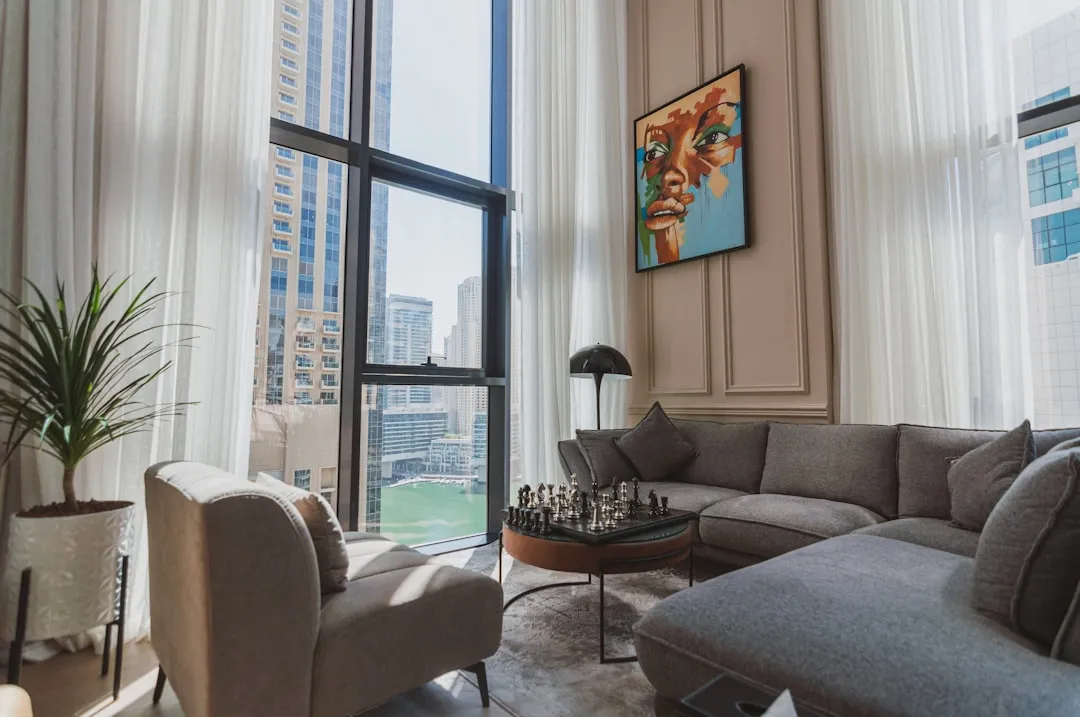
Dubai Marina remains the single highest-performing community for apartment rental yields, averaging 8–9% gross. The combination of waterfront lifestyle, JBR beach access, Dubai Eye proximity, and a deep pool of short-term rental demand from tourism keeps occupancy rates at or near 90% for well-managed units. Studio and 1-bedroom apartments in Dubai Marina have the strongest yield-to-entry-price ratio in the prime market.
Business Bay delivers 7–8% gross yields, driven by corporate demand from the adjacent DIFC and Downtown business ecosystem. The tenant profile here is young professionals and corporate relocatees — longer-tenancy, lower-management-intensity renters who pay above-market for proximity to work and lifestyle.
Dubai Hills Estate averages 5–7% for apartments, with branded units at Vida and Address Residences achieving 7–9% through managed rental programmes. The premium is justified: the tenant pool is deep, the community is established, and the schools, mall and hospital proximity sustains year-round demand independent of tourism cycles.
Villa rental yields in established communities typically run 4–6% gross — lower than apartments, but the investment case for villas has never primarily been yield. It has been capital appreciation. Palm Jumeirah villa prices increased 29%+ in 2024–25. Emirates Hills, Jumeirah Islands, and Dubai Hills Estate villas have all delivered double-digit capital growth over the same period.
The yield compression in villas is a function of entry price rising faster than rents — a premium market dynamic seen in every global city where supply is genuinely constrained. Investors in established villa communities should model returns on a total return basis (yield + appreciation) rather than yield alone.
Dubai's short-term rental market (Airbnb, Booking.com, direct) is one of the most active in the world, sustained by 365-day tourism demand. Properties in tourism-heavy communities — Marina, JBR, Downtown — can achieve nightly rates that translate to gross yields of 10–15% when managed effectively. The trade-off is management intensity, occupancy fluctuation, and the need to maintain a short-term licence (DTCM permit, straightforward to obtain).
Long-term rental (annual lease) offers lower absolute yield but significantly lower management requirements. For investors who want passive income without active property management, long-term leasing in established communities with strong expat demand — Dubai Hills Estate, Dubai Marina, Business Bay — is the appropriate strategy.
"The yield numbers in Dubai are not marketing claims. They are the arithmetic result of a city growing at 5% annually, with a tourism base approaching 20 million, in a zero-tax environment."
A 7% gross yield in Dubai is approximately equivalent to a 10–12% gross yield in a comparable market with standard property and income tax treatment — assuming the investor is from a jurisdiction with 30–40% income tax rates. This tax multiplier is the single most important reason global institutional investors and family offices are systematically increasing their Dubai residential allocations.
Usman Hanif provides private access to Dubai's most exceptional addresses. Every client relationship begins with a conversation.
Request Private Consultation